
NEWS AND MARKET UPDATES
ENERGY MARKET INSIGHTS
STAY INFORMED.
STAY AHEAD.
Strategic updates, market intelligence and commercial insight to help your business make smarter energy decisions

E.ON’s Takeover of OVO Highlights Growing Energy Market Consolidation
E.ON’s takeover of OVO Energy marks a significant development in the UK domestic energy market, bringing two major suppliers under common ownership and further concentrating the market among a small number of large players.
Is the Emergence of a Publicly Owned GB Grid a Sign of How Fast Britain’s Energy System Is Changing?
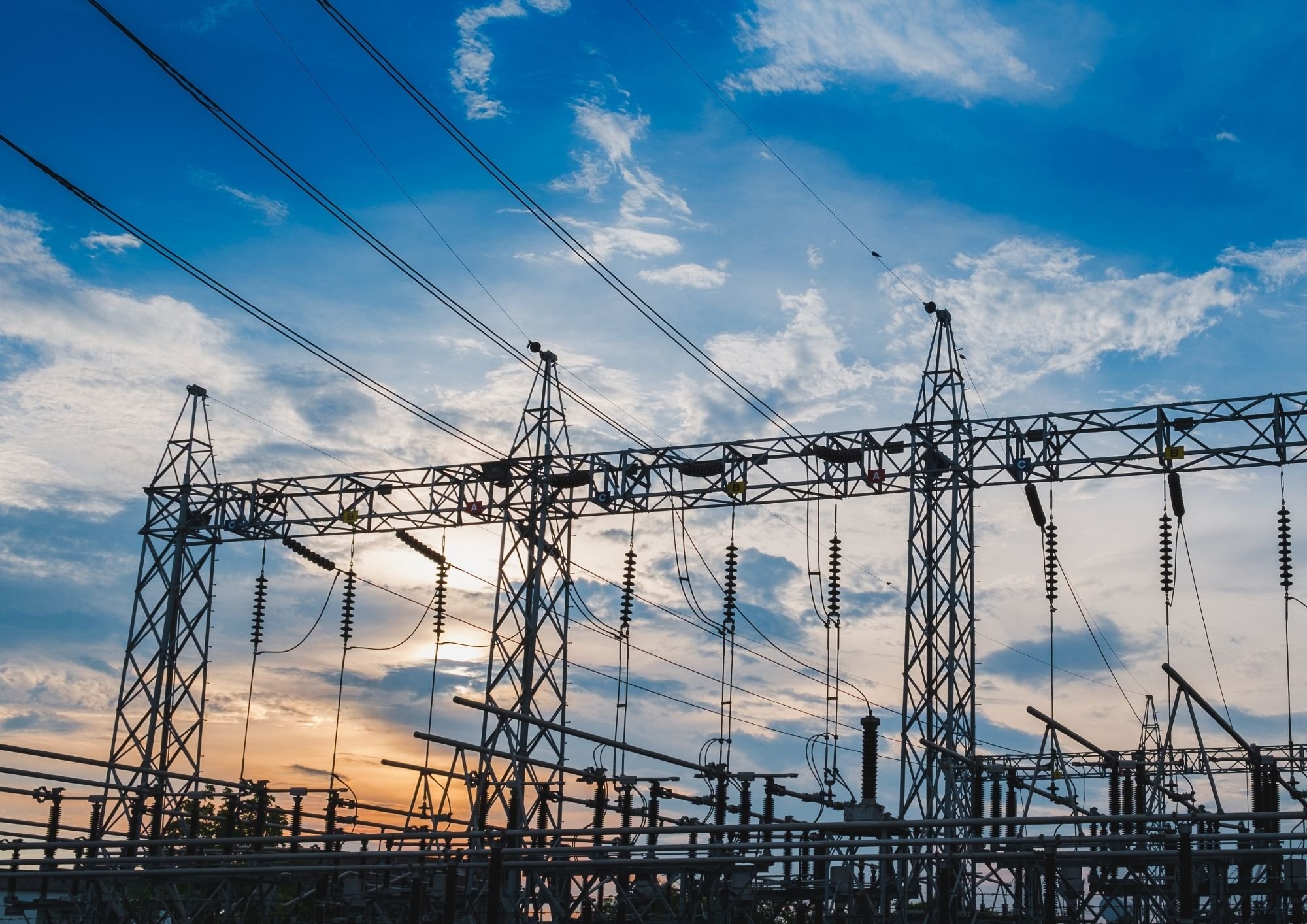
The issue has been highlighted this week by Prime Minister Andy Burnham's plans for a new publicly owned body, GB Grid, which will invest in the electricity network and compete alongside existing private-sector companies. The organisation is expected to have access to up to £4bn of funding and will focus on increasing connections and helping to speed up the rollout of renewable generation.
So why is the grid such a priority?

AI Is Creating a New Energy Problem: Who Will Pay for the Power?
AI might be the biggest technology story of the decade. But behind every ChatGPT query, AI-generated image and automated business process is something much more basic: electricity.
And AI is going to need a lot of it.
British Industrial Competitiveness Scheme: What Should Energy-Intensive Businesses Be Doing Now?
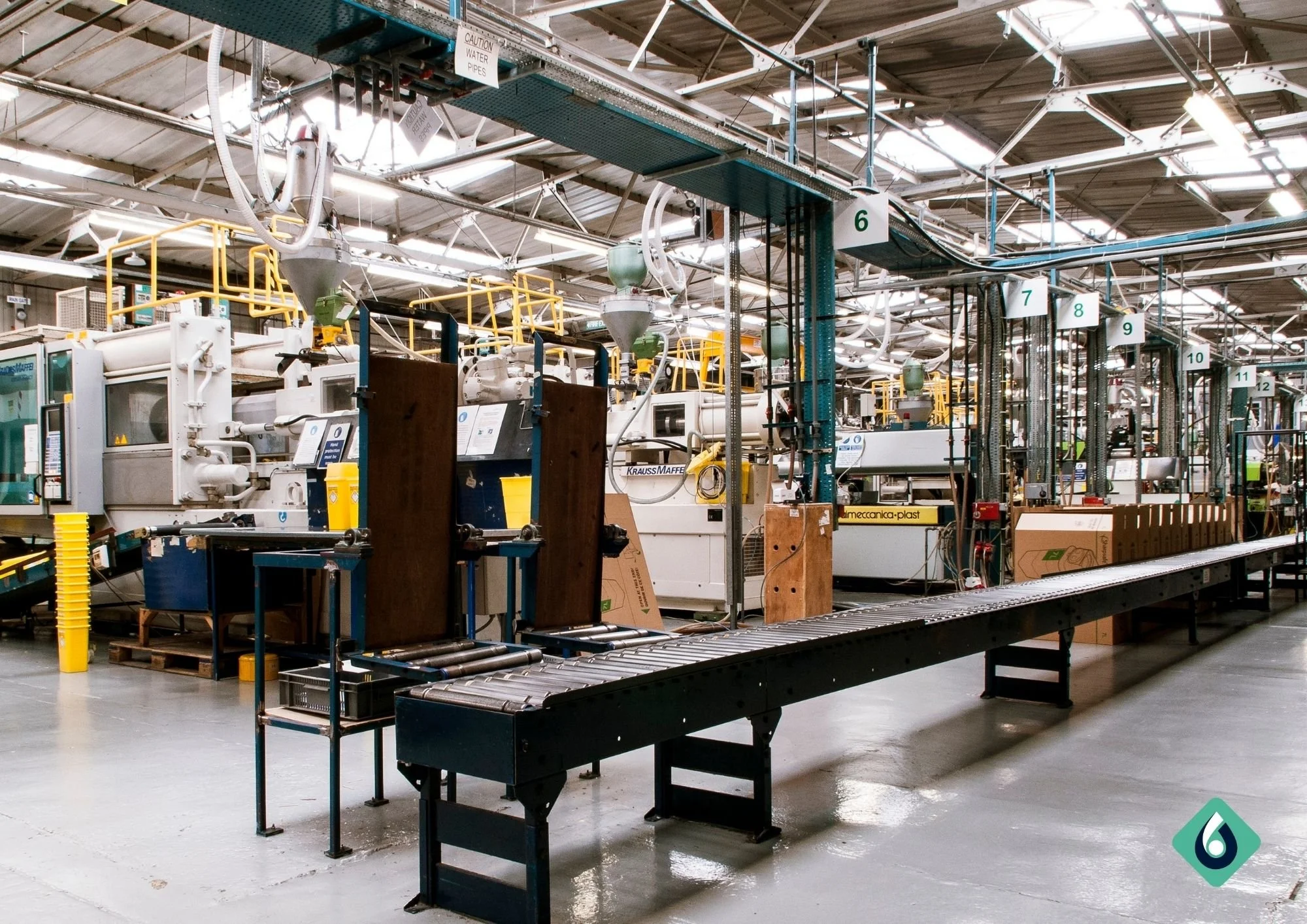
The British Industrial Competitiveness Scheme (BICS) is expected to provide eligible businesses with savings of around £35–£40 per MWh from 2027, by removing certain policy costs from their electricity bills. The scheme is designed to support manufacturing businesses operating in key growth sectors, as well as foundational industries that form an important part of their supply chains.
Cheap Renewables, Expensive Electricity: Why Are UK Businesses Still Paying So Much?
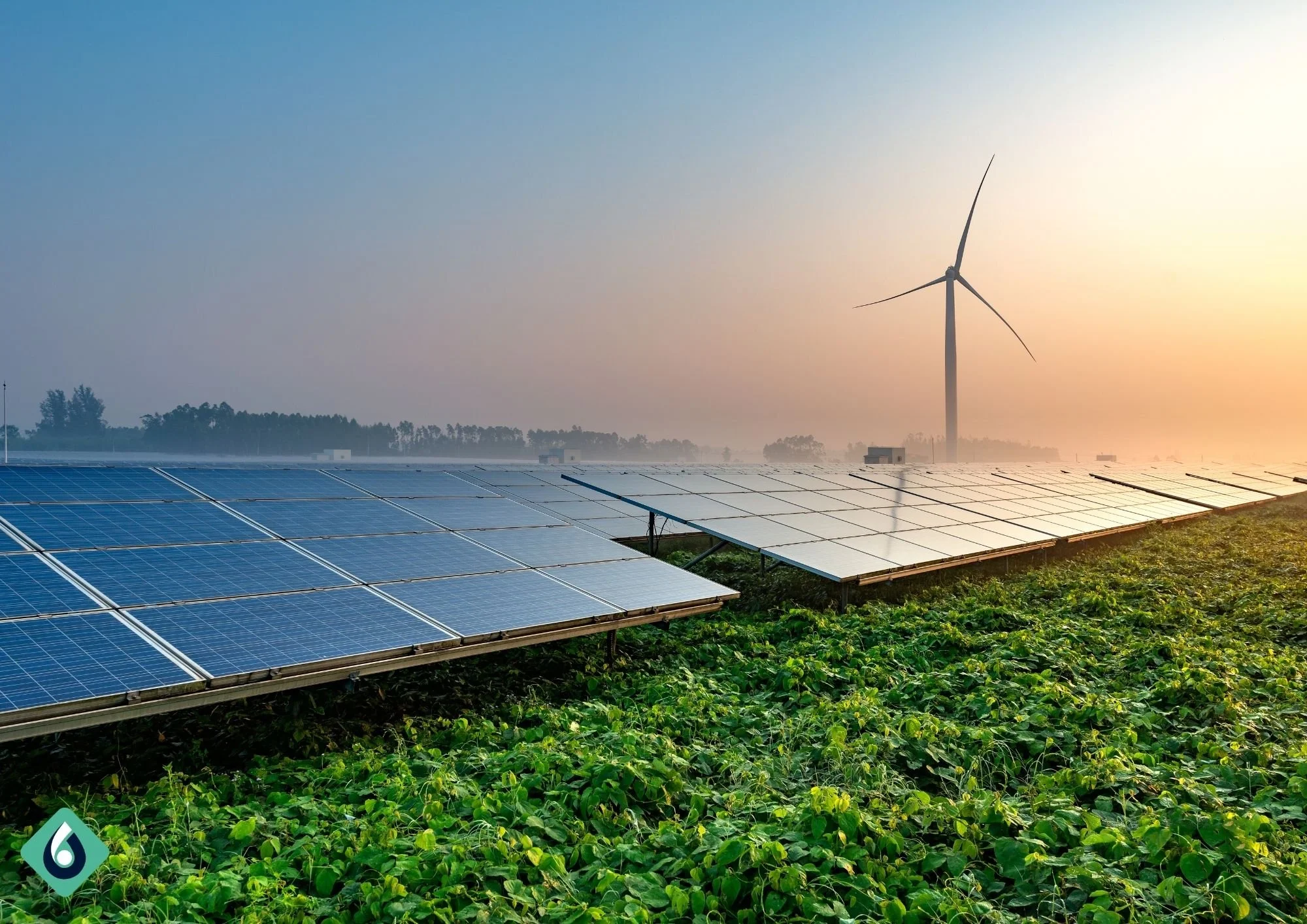
The UK is generating more electricity from renewable sources than ever before. In the three months to June 2026, renewables accounted for 50.8% of electricity generation by major power producers, compared with 32.0% from gas.
So, with wind and solar playing such an important role in the UK's energy mix, why are electricity costs still a major concern for businesses?
If We Drill More North Sea Oil, Why Can't We Just Make Energy Cheaper?
With energy prices continuing to make headlines, there is a familiar argument being made in the UK: if we have oil and gas in the North Sea, why don't we simply produce more of it and use it to bring energy prices down?
At first glance, it seems logical.
If the UK produces more of its own energy, surely we should be less dependent on other countries and less exposed to international energy prices?
The reality is more complicated.

Britain's Heatwaves are Exposing a New Challenge for the Electricity Grid
When most people think about pressure on the UK's electricity network, they picture a cold winter evening. Heating demand rises, lights are on earlier, and energy consumption peaks.
But the recent heatwave has demonstrated that summer is becoming just as significant.

Does Ofgem's Energy Price Cap Affect Business Energy Customers?
Every time Ofgem announces a new energy price cap, many business owners ask the same question: "Will this affect my business energy bills?"
The short answer is no.
The Ofgem energy price cap only applies to households on standard variable tariffs. It does not cover business energy contracts, which are priced differently and are not subject to a regulatory cap.

The Energy Independence Bill - What it is and why it matters
The Energy Independence Bill is a proposed UK law announced in the 2026 King’s Speech, designed to reshape how the country produces, distributes, and pays for energy. The central goal is to reduce reliance on imported fossil fuels and build a more secure, domestically powered energy system based largely on renewables and nuclear energy.
In simple terms, it’s part climate policy, part economic strategy, and part national security reform.
Why UK Businesses Pay More for Energy Than the US
UK businesses are facing a growing competitiveness problem - and energy costs are at the centre of it.
Recent reporting in The Times highlighted just how stark the issue has become.
According to comments from Curry’s CEO Alex Baldock, his company is now paying around five times more for electricity than its US equivalent, Best Buy. (The Times)
For many UK businesses, this isn’t just a headline - it’s a real and growing threat to competitiveness.
Energy Regulation Changes in 2026: Better Protection for Business Customers?
The UK energy market is entering a new phase of regulation in 2026, with the government announcing plans to strengthen Ofgem’s enforcement powers and increase accountability across the sector. The reforms are aimed at improving standards, restoring trust, and ensuring suppliers that fail customers face tougher consequences.
For business energy customers, this is welcome news.
Should UK Businesses Fix Their Energy Prices Now? April 2026 Market Update
The conversation around business energy pricing in 2026 is no longer just about wholesale gas or electricity rates. For most UK businesses, the real story is increasingly being driven by non-commodity costs - particularly network charging reforms such as TNUoS (Transmission Use of System) and DUoS (Distribution Use of System), alongside wider capacity and system balancing costs.
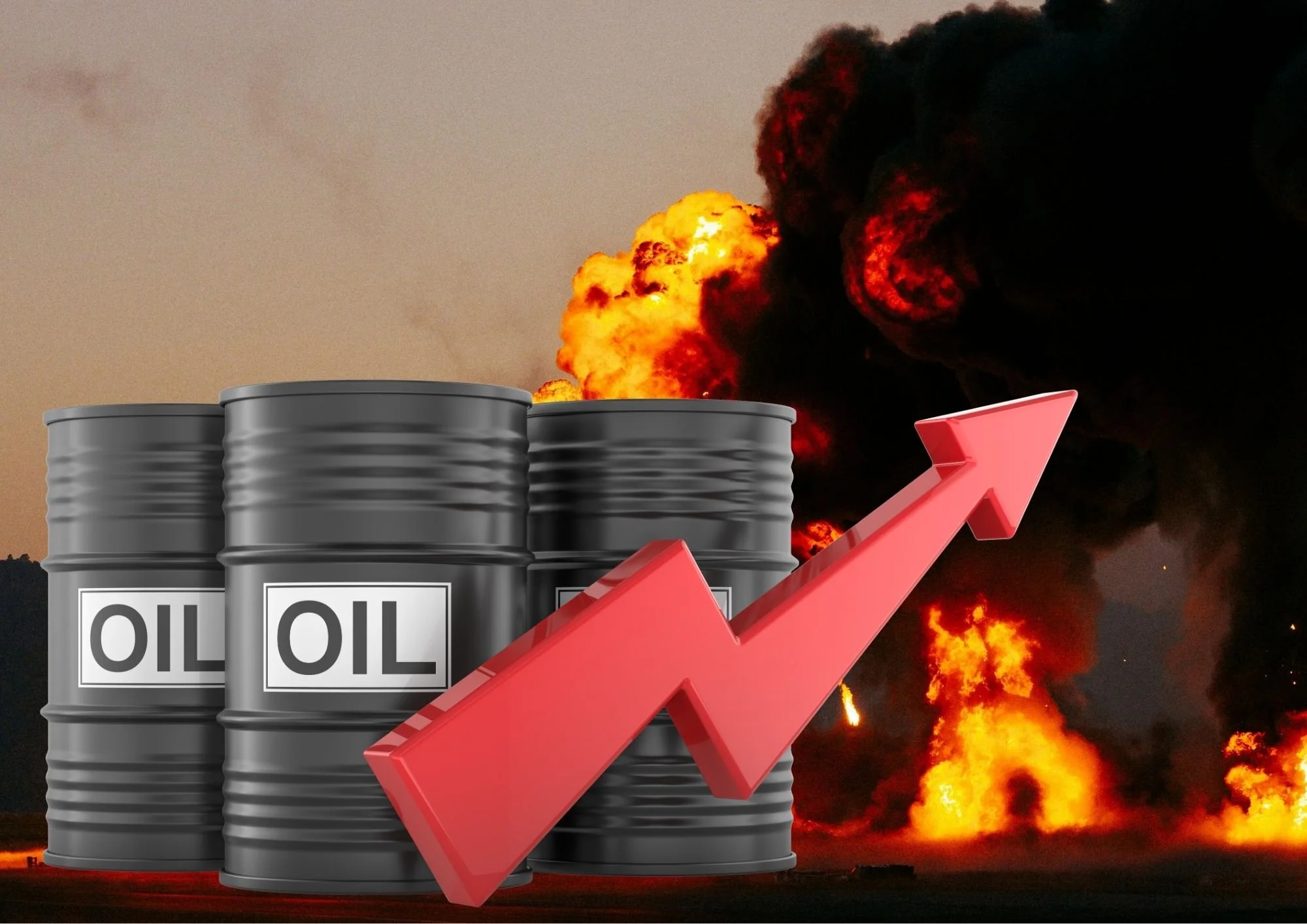
Oil Price Volatility Returns: What UK Businesses Need to Know in 2026
Global energy markets have been thrown back into volatility, with oil and gas prices surging following escalating tensions in the Middle East. Brent crude has pushed well above $100 per barrel, while UK gas prices have risen sharply-driving renewed inflation concerns and cost pressures for businesses.
For UK businesses, this is more than headline news. It’s already impacting contract availability, pricing strategies, and supplier appetite for risk.
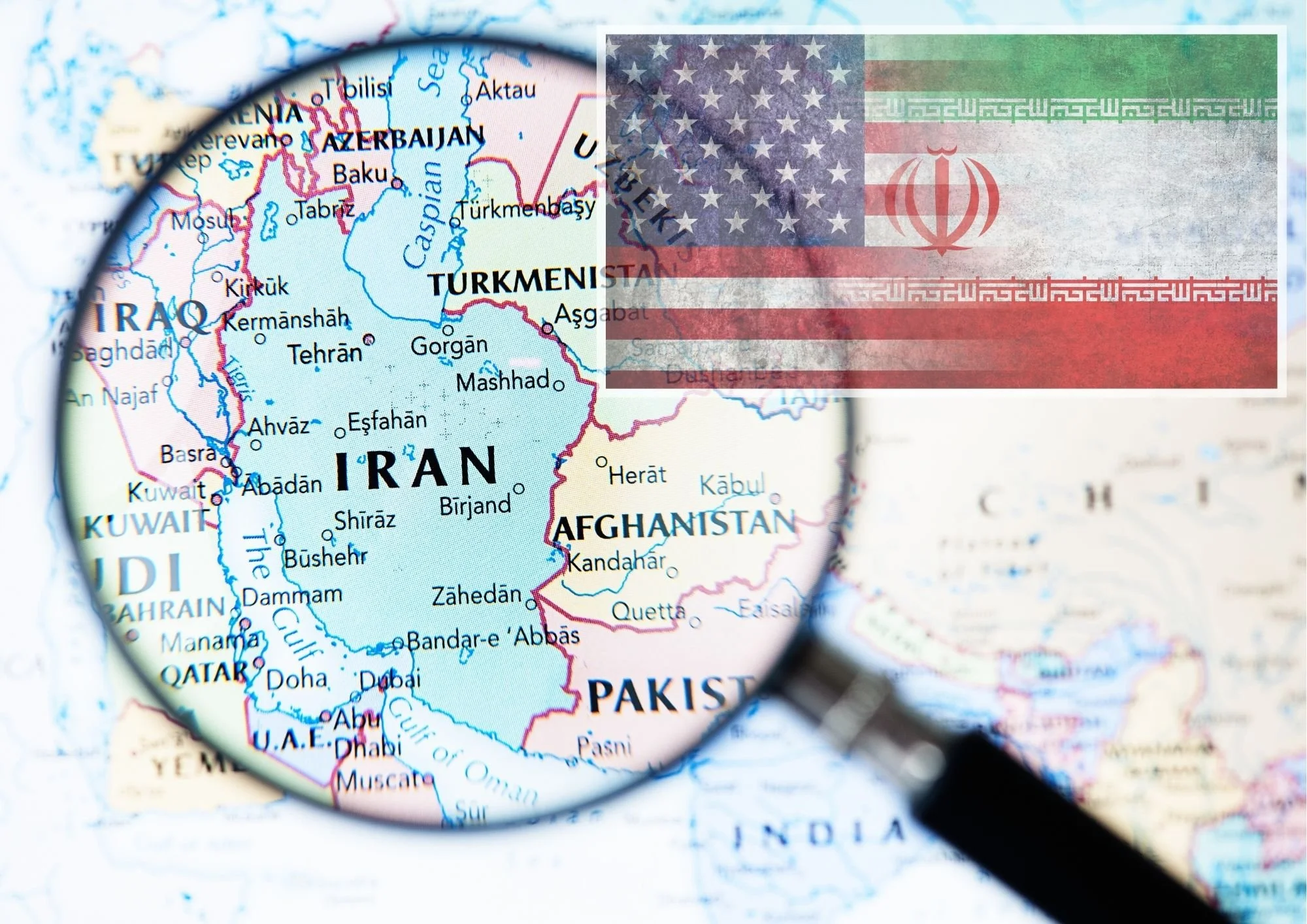
Energy Markets React to US & Israel Strikes on Iran: What It Means for UK Gas Prices
Energy markets have moved sharply following the recent military action involving the US, Israel, and Iran.
Wholesale gas has pushed up towards 150 pence per therm, with oil markets also reacting quickly to the heightened geopolitical risk. Whenever instability touches the Middle East - a region central to global energy supply - markets respond immediately.
But as always, the headline and the long-term impact are rarely the same thing.
“Increasingly Concerned”: Renewed Pressure on Government to Tackle Sky-High Business Energy Costs
Trade bodies representing both industry and the energy sector have issued a fresh call for government action to address what they describe as persistently high energy costs for UK businesses - a growing drag on competitiveness, investment and future growth.

AI, Datacentres and the UK Grid: Why Ofgem’s Warning Matters for Business
The UK’s energy regulator, Ofgem, has issued a stark warning: the rapid expansion of datacentres - fuelled in large part by artificial intelligence (AI) growth - could significantly increase electricity demand and put new pressure on the national grid.
For businesses, policymakers and energy investors across the United Kingdom, this is more than a technical infrastructure issue. It’s a strategic moment that touches energy prices, industrial competitiveness, net zero targets and the UK’s ambition to become an AI powerhouse.
Here’s what’s happening - and why it matters.
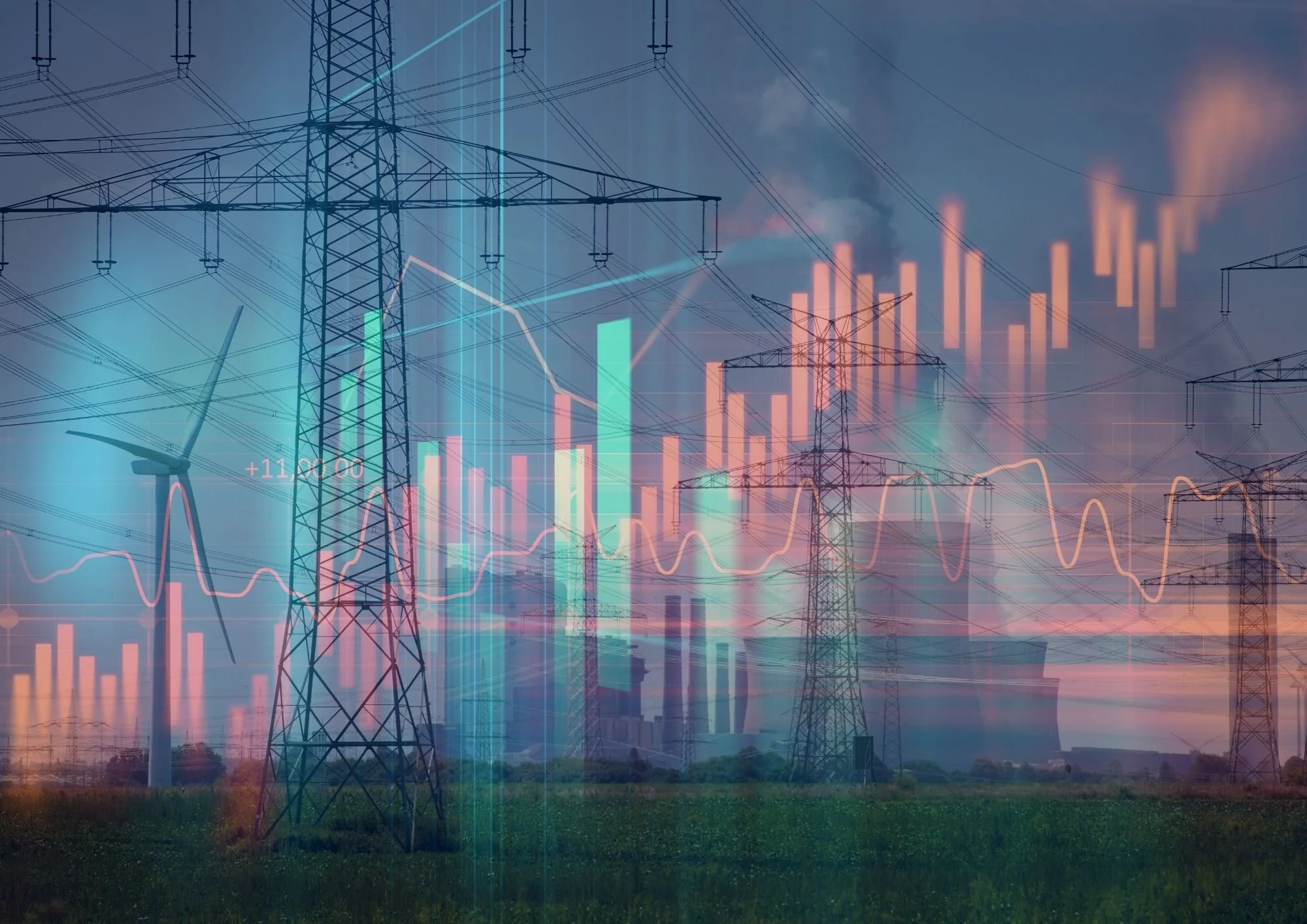
Energy Bills Could Surpass Crisis Levels - But Who Is Really Paying for the Transition?
Chris O’Shea, chief executive of Centrica (the parent company of British Gas) has warned that UK electricity bills could be higher by 2030 than during the 2022 energy crisis. This should definitely give policymakers and consumers pause.
O’Shea made the comments at a recent energy sector event hosted by the Energy Institute, highlighting structural investment costs rather than short‑term wholesale price swings.
Energy Broker vs Energy Consultant: Why Trust, Expertise, and Loyalty Matter
When it comes to utilities, the terms “broker” and “consultant” are often used interchangeably - but there’s a significant difference. While a broker might focus on transactions and the cheapest available deal, a consultant is a trusted advisor, offering strategic guidance tailored to your business.
Understanding HA, HV, and LV: What UK Businesses Need to Know
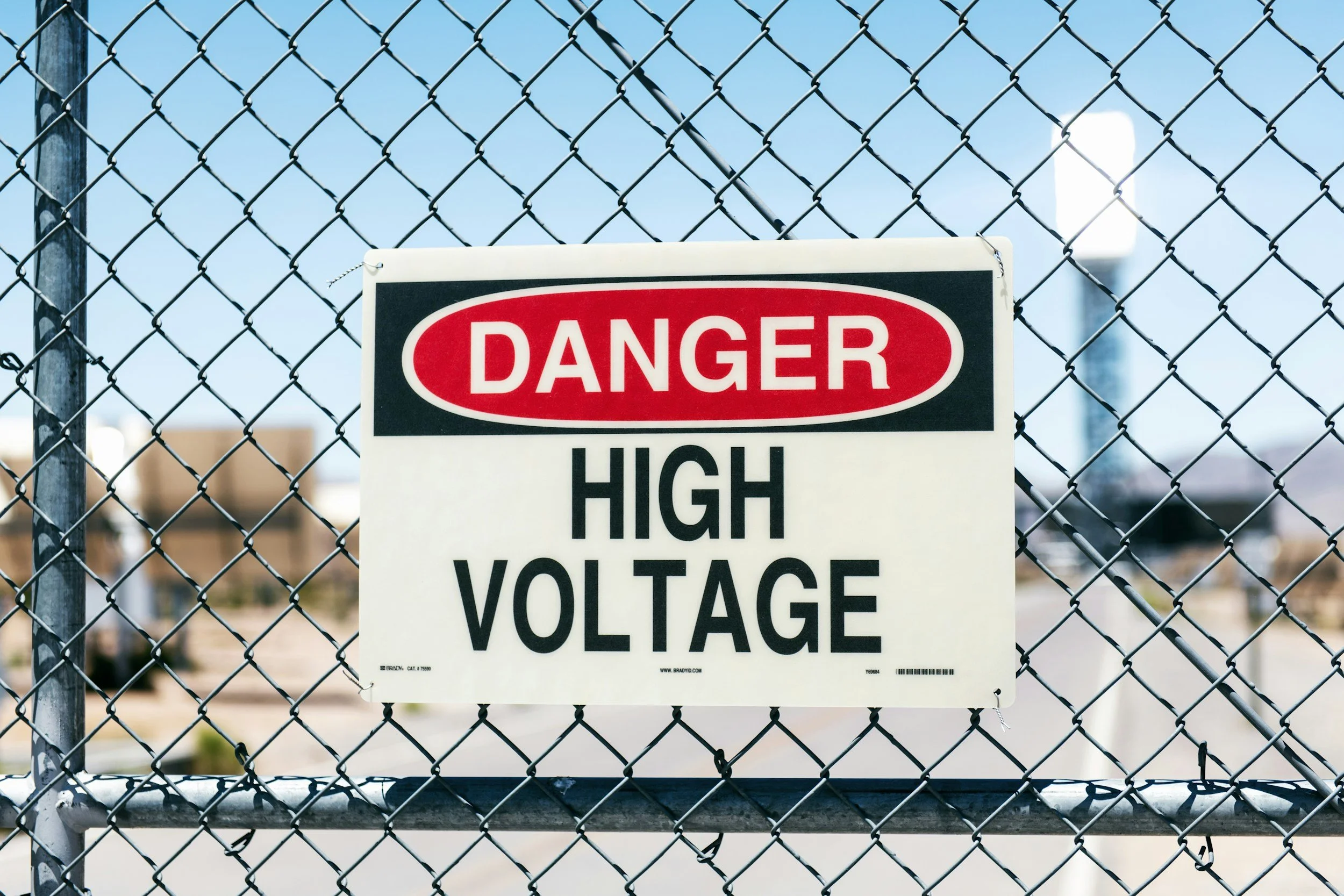
Whether you run a small office, a large factory, or a critical facility like a data centre, understanding how electricity is supplied and categorised can help you manage costs, reliability, and future planning. In the UK, businesses typically deal with three levels of energy supply: HA (High/Heavy Demand), HV (High Voltage), and LV (Low Voltage). In this guide, we explain what each means, give real-world examples, and highlight why specialist knowledge matters.