
Cheap Renewables, Expensive Electricity: Why Are UK Businesses Still Paying So Much?
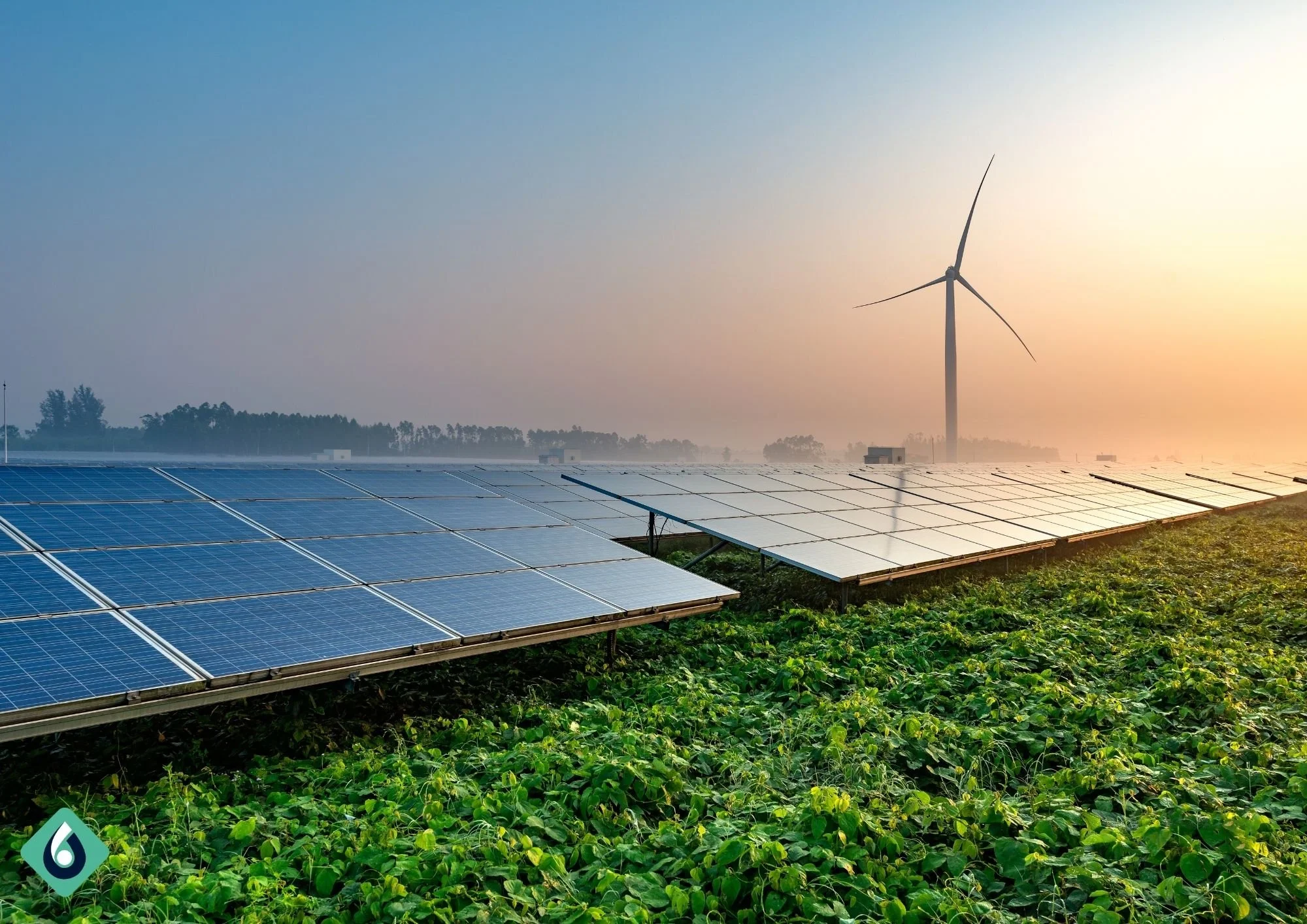
The UK is generating more electricity from renewable sources than ever before. In the three months to June 2026, renewables accounted for 50.8% of electricity generation by major power producers, compared with 32.0% from gas.
So, with wind and solar playing such an important role in the UK's energy mix, why are electricity costs still a major concern for businesses?
The answer isn't simply about how much renewable electricity we generate. The way the wholesale electricity market works, the continued role of gas, investment in the electricity grid and the costs of balancing supply and demand all play a part.
Why doesn't more renewable electricity automatically mean cheaper electricity?
Wind and solar have very low operating costs because they don't require fuel to generate electricity. But businesses don't simply pay the average cost of all the electricity being generated at any given time.
Great Britain's wholesale electricity market uses marginal pricing. Generators make electricity available to the market, with lower-cost generation generally used first. The price for a particular period is then set by the most expensive generation needed to meet demand.
Gas-fired generation can often be that marginal source.
As Ofgem explains, gas generation is generally more expensive because of the cost of the fuel, and when gas is needed to meet demand, it can set the wholesale electricity price for that period.
This is one of the reasons that movements in international gas markets can continue to influence electricity prices, even as the UK's renewable generation increases.
Gas still has an important role to play
The growth of renewables does not mean the UK can simply switch off its gas-fired power stations.
Wind and solar generation varies according to weather conditions and time of day. When renewable output is lower, other sources of generation are needed to keep electricity supplies secure.
Gas-fired power stations currently provide some of that flexibility. This means that the UK remains exposed to movements in international gas prices, even as the electricity mix becomes increasingly renewable.
That exposure has been particularly visible this year. Ofgem has linked recent increases in energy costs to higher wholesale gas prices, with global events continuing to create volatility in international gas markets.
The good news is that the relationship between gas and electricity is changing. Ofgem says that wind has been the main source of Great Britain's electricity generation since 2023, while the Government is pursuing policies intended to reduce the influence of gas on electricity prices further.
The grid challenge
There is another important piece of the puzzle: the electricity grid needs to keep pace with the changing energy system.
Much of the UK's renewable generation is located in areas with strong natural resources, particularly windy areas, while much of the country's electricity demand is concentrated elsewhere.
As more renewable generation connects to the system and demand for electricity grows through the electrification of transport, heating and industry, the network needs to be expanded and upgraded.
Ofgem has described grid investment and connections reform as crucial to delivering a more flexible and resilient electricity system. It has also set out plans for significant investment in local electricity networks to meet growing demand across the economy.
This isn't something that can happen overnight. New transmission and distribution infrastructure takes time to plan, approve and build.
Making better use of renewable electricity
Increasing renewable generation is only part of the challenge. The UK also needs to become better at using renewable electricity when it is available.
There will be times when wind and solar generation is high and electricity is relatively plentiful, while at other times renewable output will be lower.
Battery storage can help by storing electricity when supply is high and releasing it when it is needed. Interconnectors can also allow electricity to be imported or exported depending on supply and demand in different countries.
Businesses can play a role too.
For companies with significant electricity consumption, flexibility could become an increasingly important part of energy management. Being able to shift some electricity use away from expensive periods and towards times when electricity is cheaper can help businesses manage their costs while also supporting a more flexible electricity system.
This could sit alongside other strategies such as onsite generation, battery storage, Power Purchase Agreements and careful energy procurement.
Is the Government trying to change how electricity is priced?
Yes. The Government recognises that reducing the UK's exposure to volatile gas prices is an important part of improving energy security and competitiveness.
Measures announced in 2026 are intended to reduce the influence of gas on electricity prices, alongside efforts to increase renewable generation and improve the wider electricity system.
The Government's wider aim is to move towards a system where Britain can make greater use of its domestic renewable resources while reducing its exposure to international fossil fuel markets.
However, these changes will take time. Building generation, upgrading networks, increasing storage and changing market arrangements are all long-term projects.
What does this mean for businesses?
For businesses, particularly those with high electricity consumption, the key takeaway is that more renewable generation does not automatically translate into lower electricity bills.
The wholesale cost of electricity is only one part of what businesses pay. Electricity bills also include network costs, policy costs and other charges, meaning that even periods of lower wholesale prices don't necessarily translate directly into equivalent reductions in the final bill.
At the same time, the direction of travel is clear. The UK is moving towards a more electrified and renewable energy system, and businesses will increasingly need to consider not just how much energy they use, but when and how they use it.
For some businesses, that could mean looking at flexible consumption. For others, onsite generation, battery storage, renewable contracts or different procurement strategies could offer opportunities to reduce exposure to market volatility.
A changing energy market
The UK's electricity system is undergoing a fundamental change.
Renewable generation is growing rapidly, but the challenge now is making sure the electricity system can deliver that energy reliably, efficiently and at a competitive cost.
Reducing reliance on gas will be an important part of that process. So will investment in the grid, greater use of storage and flexibility, and reforms to the way electricity markets operate.
For businesses, these changes could ultimately create a more secure and less volatile energy market. But until those changes are fully in place, understanding the market and actively managing energy costs remain essential.
The question is no longer simply how much renewable electricity Britain can generate. It's how effectively we can turn that renewable energy into affordable, reliable electricity for UK businesses.