
If We Drill More North Sea Oil, Why Can't We Just Make Energy Cheaper?
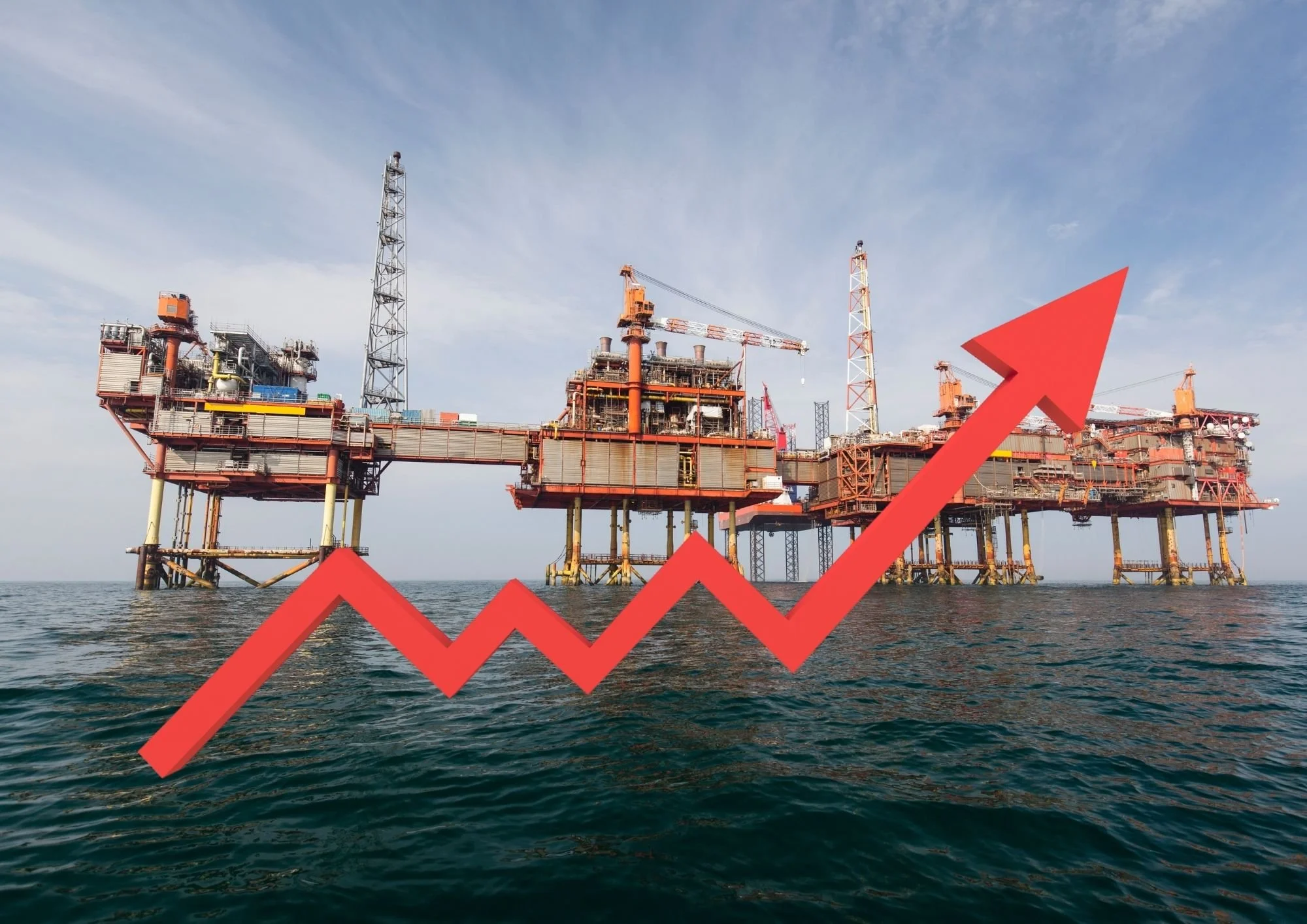
With energy prices continuing to make headlines, there is a familiar argument being made in the UK: if we have oil and gas in the North Sea, why don't we simply produce more of it and use it to bring energy prices down?
At first glance, it seems logical.
If the UK produces more of its own energy, surely we should be less dependent on other countries and less exposed to international energy prices?
The reality is more complicated.
Increasing North Sea production could play a role in the UK's energy security, but it does not automatically mean cheaper oil, gas or electricity for UK households and businesses.
The reason comes down to a simple distinction: energy security and energy prices are not the same thing.
Does the UK own the oil and gas in the North Sea?
The UK has oil and gas resources in the North Sea, but that does not mean the Government owns and controls every barrel of oil or cubic metre of gas produced.
Under UK law, petroleum resources in their natural state are vested in the Crown. Companies are granted licences to explore for and produce oil and gas, while the Government regulates the industry and receives revenue through taxation and licensing arrangements.
The companies extracting the resources operate commercially, and the oil and gas they produce is part of a much wider international market.
This means the Government cannot simply decide that North Sea oil will be sold to UK businesses at a particular low price.
From State Ownership to Private Companies
There is also a historical dimension to the debate.
During the 1980s, the Government pursued a major programme of privatisation across industries that had previously been owned or controlled by the state. The oil and gas sector was part of this wider shift.
The British National Oil Corporation's commercial oil-producing business was transferred to Britoil, with the Government selling a majority stake in 1982. Enterprise Oil, created from British Gas's North Sea interests, was also privatised, while British Gas itself was sold to private investors in 1986.
It is important, however, not to think of this as simply "selling off the North Sea". The underlying oil and gas resources remained subject to the UK's legal framework. What changed was the role of the state in the companies involved in exploring for and producing those resources.
Today, private companies operate under licences to extract North Sea oil and gas, within a regulatory and tax framework set by the Government.
So why can't the UK just keep its own oil?
The simple answer is that oil is traded in a global market.
Oil produced in the North Sea is not necessarily reserved exclusively for UK consumers. It is bought and sold as part of a much larger international market, with prices influenced by global supply and demand.
The UK Government has described Britain as a "price-taker, not a price-maker" in international oil and gas markets. In other words, the UK can influence its own level of production, but it cannot determine the global price of oil.
That price is influenced by factors far beyond the UK's control, including:
Global oil supply and demand
OPEC+ production decisions
Geopolitical conflicts
Disruption to major shipping routes
Global economic conditions
Changes in energy consumption
This is why events in the Middle East, for example, can affect energy markets in the UK. The UK does not need to experience a direct shortage of oil or gas for prices to rise. If global markets become concerned about future supply, prices can react quickly.
Would more North Sea production improve energy security?
Potentially, yes.
Domestic oil and gas production can contribute to the UK's energy security by reducing reliance on imports and supporting domestic supply during the transition to lower-carbon energy sources.
It can also provide tax revenues and support economic activity.
However, more domestic production does not necessarily mean lower prices for consumers.
Imagine the global price of oil rises sharply because of a major geopolitical crisis. The UK could still be affected by that increase, even if North Sea production had increased.
The reason is simple: producing more oil does not give the UK the power to set the international market price.
This is why "more drilling means cheaper energy" is too simplistic.
It may contribute to energy security. It may support domestic production and the economy. But it does not automatically translate into lower energy bills.
This is why there is ongoing debate about the future of North Sea development, with industry groups continuing to call for new gas fields to be approved in order to maintain domestic production and support energy security.
What about gas and electricity?
The situation becomes even more complicated when we look at electricity.
Most homes and businesses do not use North Sea oil directly to generate electricity. Gas has historically played an important role in the UK's electricity generation mix, and wholesale gas prices can influence the cost of electricity.
But the UK operates within interconnected energy markets, and the price businesses ultimately pay is also affected by network costs, policy costs, supplier costs and the structure of their energy contract.
Increasing North Sea oil production, therefore, is not a direct route to cheaper electricity.
So, would more drilling make energy cheaper?
The honest answer is: not necessarily.
More North Sea production could have benefits for the UK's energy security and economy. But because oil and gas are traded in international markets, increased production does not give the UK control over the price those commodities command.
The question of whether the UK should increase North Sea production is therefore about more than energy prices. It also involves energy security, domestic production, economic benefits and the UK's longer-term transition towards a lower-carbon energy system.
For UK businesses and households, the key point is that producing more energy at home and paying less for energy are two different things.
The UK's energy costs will continue to be shaped by a combination of domestic production, global markets, international events, infrastructure and government policy.
More North Sea oil and gas may be part of that picture. But the idea that drilling more automatically means paying less is far more complicated than it first appears.