
Is the Emergence of a Publicly Owned GB Grid a Sign of How Fast Britain’s Energy System Is Changing?
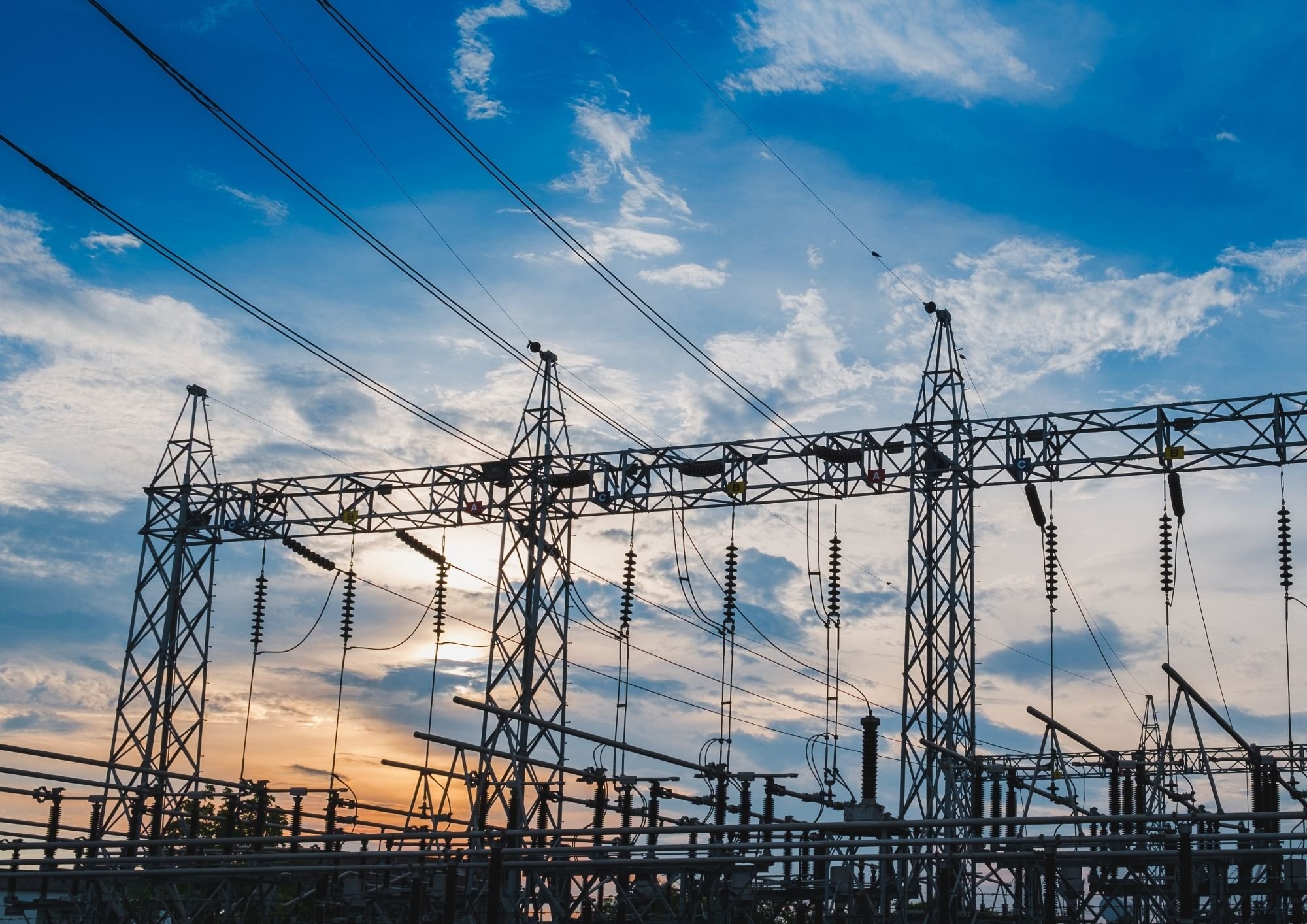
For most of us, the electricity grid is something we rarely think about. We switch on a light, plug in a machine or charge a vehicle and expect the power to be there.
But behind the scenes, Britain's electricity network is facing a major challenge - and it is becoming an increasingly important issue for businesses.
The issue has been highlighted this week by Prime Minister Andy Burnham's plans for a new publicly owned body, GB Grid, which will invest in the electricity network and compete alongside existing private-sector companies. The organisation is expected to have access to up to £4bn of funding and will focus on increasing connections and helping to speed up the rollout of renewable generation.
So why is the grid suddenly such a priority?
Britain's electricity system is changing
The way Britain generates and uses electricity is changing rapidly.
More electricity is being generated from wind and solar, while businesses and households are increasingly switching from fossil fuels to electricity for heating, transport and industrial processes.
At the same time, new industries - including data centres and AI - are looking for huge amounts of additional electricity.
The problem is that generating electricity and getting it to where it is needed are two different things.
A wind farm can produce plenty of power, for example, but that power still needs the right network infrastructure to move it to homes and businesses.
The connection problem
For businesses, one of the biggest challenges is getting connected to the grid in the first place.
The demand for new connections has grown dramatically, with the Government reporting that the transmission queue increased by 460% in just six months. Some projects have faced potential waits of up to 15 years.
That can have a very real impact.
A company wanting to expand a factory, develop a new site, install large-scale electric vehicle charging or build a data centre may have the investment, the land and the plans, but still be unable to move forward without sufficient electricity capacity.
The Government has already been changing the connections process to try to prioritise projects considered strategically important, including manufacturing, data centres and EV charging infrastructure.
Why now?
Part of the problem is that the electricity network was designed for a different energy system.
Britain is moving towards a more electrified economy, while renewable generation is increasingly located away from the areas where the greatest demand exists.
That means the country needs to invest heavily in the infrastructure that connects the two.
National Energy System Operator has estimated that around £89bn of investment could be needed in the electricity grid through the 2030s, reflecting the scale of the challenge ahead.
Could GB Grid reduce energy costs?
That is one of the big questions.
The Government's argument is that greater public involvement and competition could help speed up investment, improve connections and ultimately reduce costs.
But building a better grid is not a quick fix for high energy bills.
Wholesale gas and electricity prices, network charges, taxation, policy costs and the cost of generating and supplying energy all contribute to what businesses ultimately pay.
What a better grid could do is help address some of the underlying problems - particularly delays in connecting new generation and new electricity demand.
Why businesses should care
For businesses, the grid is becoming an increasingly important part of future planning.
Whether it is expanding a site, electrifying machinery, installing charging infrastructure, developing new premises or simply dealing with rising electricity demand, access to sufficient power can no longer be taken for granted.
The emergence of GB Grid is therefore about more than who owns part of the electricity network.
It is a sign of just how quickly Britain's energy system is changing - and how important investment in infrastructure will be if the UK is to meet growing electricity demand.
The debate around public versus private ownership will undoubtedly continue. But whichever approach is taken, the underlying challenge remains the same: Britain needs an electricity grid capable of supporting the way the country will generate and use energy in the future.