
Falling Gas Prices: What UK Businesses Need to Know This Winter
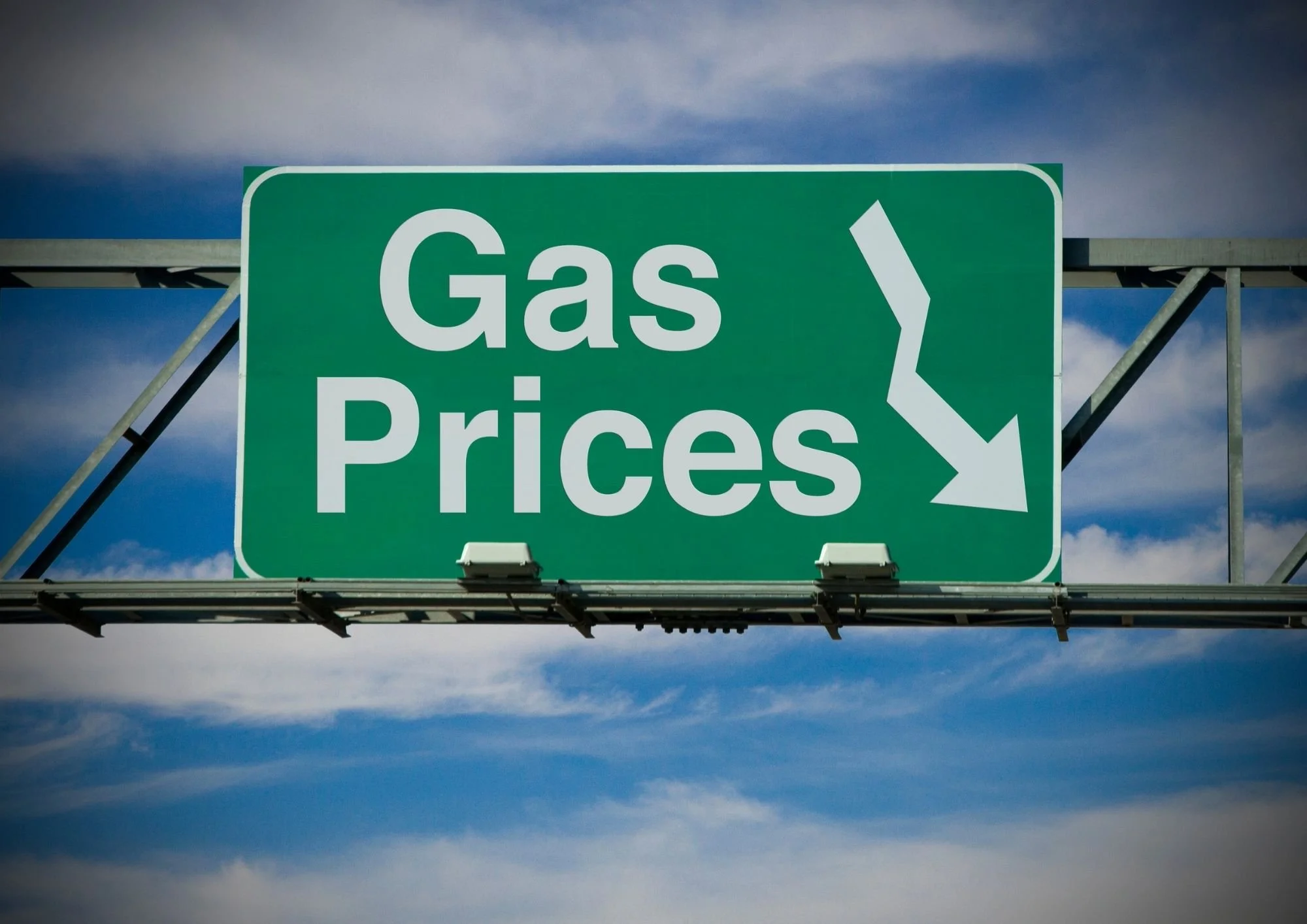
We are keeping a close eye on energy costs - and the latest wholesale gas prices bring some welcome news. After months of volatility, prices have dropped, creating potential opportunities for businesses to reduce operating costs, review contracts, and plan strategically for the winter months ahead. In this post, we explain what falling gas prices mean for business energy bills and how companies can make the most of this moment.
Why Gas Prices Are Down
Several factors have contributed to the recent decline in gas prices:
Reduced industrial demand: Cooler consumption patterns and more stable energy usage have eased pressure on supply.
Improved supply and cheaper imports: Increased liquefied natural gas (LNG) availability and pipeline imports have helped balance the market.
Market stabilisation: After previous highs and volatility, forward-contract prices have settled at lower levels, offering businesses potential cost benefits.
How Lower Gas Prices Could Benefit Businesses
Falling wholesale gas prices can translate into tangible advantages for companies:
Contract renegotiation opportunities: Businesses with flexible or multi-year contracts may be able to lock in lower rates or switch suppliers at more favourable terms.
Reduced operating costs: If suppliers pass through the savings, businesses can see lower monthly energy bills - particularly those with large-scale operations or multiple sites.
Improved budgeting and forecasting: With lower market prices, businesses can plan energy expenditure with greater confidence for the remainder of the winter season.
Why Businesses Should Stay Cautious
It’s important to remember that falling gas prices don’t automatically mean immediate savings:
Supplier hedging: Many energy providers purchase gas in advance, so recent drops may not be reflected in bills right away.
Contract terms matter: Fixed-term agreements or hedged contracts can limit short-term benefits.
Ongoing volatility: Supply disruptions, geopolitical factors, or unusually cold weather can still cause price spikes.
Practical Steps for Businesses Now
To make the most of the current market, businesses should consider:
Reviewing energy contracts: Identify opportunities for renegotiation or switching suppliers.
Forecasting consumption: Align contracts with expected usage to avoid paying for unneeded energy.
Exploring energy efficiency measures: Reduce exposure to price volatility and optimize energy use across sites.
Seeking expert guidance: Work with specialists like CEB Consultants to ensure procurement strategies maximize cost savings and minimize risk.
Looking Ahead - Managing Risk and Opportunity
Even as prices fall, proactive businesses should:
Monitor market trends for potential short-term price spikes.
Plan for long-term energy security, particularly for multi-site operations.
Explore diversification strategies, including renewable energy, storage, or hybrid supply contracts.
Key Takeaways
Falling gas prices create opportunities for UK businesses to reduce costs and improve energy efficiency.
Immediate benefits depend on contract structure, hedging, and supplier terms.
Businesses that review contracts, forecast usage, and work with energy experts are best positioned to capitalise on lower prices while managing risk effectively.
Ready to Take Control of Your Energy Costs?
Lower gas prices are an opportunity - but the key is knowing how to act. At CEB Consultants, we help businesses review energy contracts, optimize consumption, and plan strategically to maximise savings while minimising risk.
Get in touch today for an energy audit and let our experts show you where you can save this winter.