
Energy Markets React to US & Israel Strikes on Iran: What It Means for UK Gas Prices
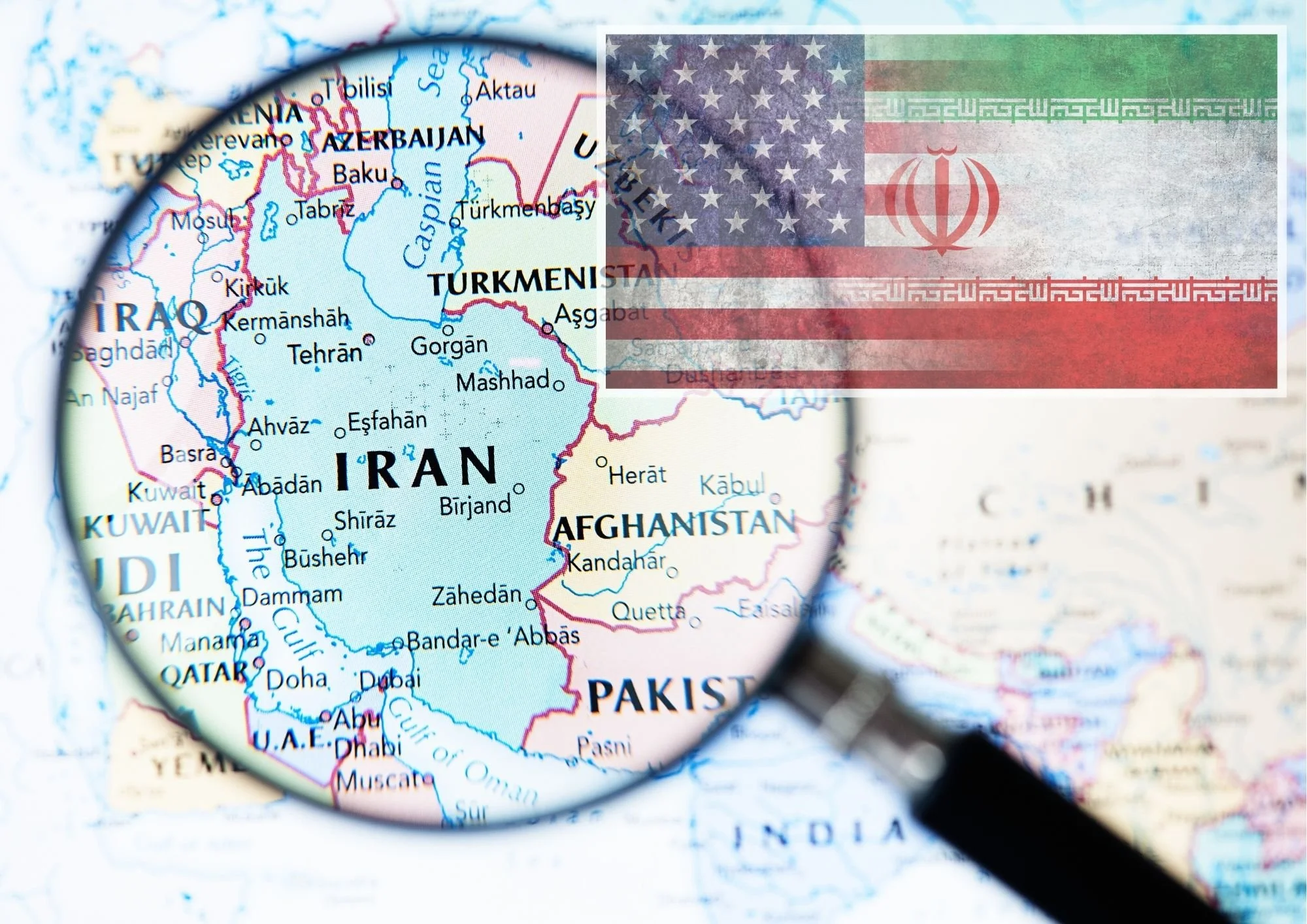
Energy markets have moved sharply following the recent military action involving the US, Israel, and Iran.
Wholesale gas has pushed up towards 150 pence per therm, with oil markets also reacting quickly to the heightened geopolitical risk. Whenever instability touches the Middle East - a region central to global energy supply - markets respond immediately.
But as always, the headline and the long-term impact are rarely the same thing.
Why Markets React So Fast
Energy markets price in risk before physical supply is affected.
Even if infrastructure remains intact, the perceived threat to supply routes - particularly the Strait of Hormuz - is enough to drive speculative buying and defensive hedging. Traders move first; fundamentals follow.
We’ve seen this pattern repeatedly:
The Gulf conflicts
The Arab Spring
The Russia–Ukraine war
Shipping disruptions in the Red Sea
Prices spike on uncertainty. The real question is how long that uncertainty persists.
Could This Become a Sustained Price Increase?
There are three key factors that will determine whether this is a short-term spike or something more structural:
1) Physical Supply Disruption
If production or export infrastructure is directly impacted, prices will hold higher for longer.
2) Shipping & Insurance Costs
Even without damage, perceived risk in transport routes increases insurance premiums and shipping costs, which feeds into wholesale pricing.
3) Market Sentiment & Financial Trading
Energy markets are heavily financialised. Momentum buying can exaggerate upward moves - just as quickly as positions unwind when tensions ease.
At present, we are seeing risk premium pricing rather than confirmed supply loss.
What Businesses Often Get Wrong
After more than 30 years working in energy procurement, I’ve seen the same reaction cycle repeat:
Markets rise sharply
Businesses wait for clarity
Clarity arrives - but at a higher price
Volatility doesn’t automatically mean we are heading back to crisis-level pricing. But it does mean forward contracts reprice quickly to reflect risk.
Suppliers are already factoring in geopolitical exposure for winter and 2026 positions.
Waiting for “certainty” can often mean locking in after the risk premium has been fully embedded.
Risk Management Over Prediction
Trying to predict the next headline is a losing game.
The more important questions are:
Where does your current contract sit?
How exposed are you to further upside?
Do you have budget certainty?
Do you have a structured buying strategy - or are you reacting to news flow?
Good procurement isn’t about calling the top or bottom of the market. It’s about managing exposure in uncertain conditions.
What Should You Be Doing Now?
Review your contract end dates
Understand your exposure to winter pricing
Assess whether a flexible or structured approach suits your risk appetite
Avoid panic buying - but avoid paralysis too
This may settle quickly if tensions de-escalate.
Or it may build if regional actors become more directly involved.
The market will continue to move either way.
The key is having a strategy before the next spike - not after it.
If you're unsure how exposed your business is, or whether your current buying approach is still fit for purpose in this environment, now is a sensible time to review it.