Restructuring an Oversized High-Voltage Electricity Supply
Case study securing a six figure lump sum from network adoption.
The Background
Medium-sized UK industrial site
Agreed capacity: 200 kVA
Regularly exceeding capacity by ~15 kVA
Supplied at High Voltage (HV)
Operating more like a strong medium-load site rather than heavy industry
The Challenge
The client had been operating on a high-voltage supply for many years.
While this setup was originally appropriate, their current usage profile no longer justified the complexity and cost associated with HV infrastructure.
Key issues identified:
Excess capacity charges triggered most months
Higher fixed network (DUoS) costs
Infrastructure complexity
Potential long-term liability associated with HV assets
No clear review of whether HV remained necessary
The site was effectively running infrastructure designed for a larger operation than it currently required.
The Opportunity
During our infrastructure review, we identified that:
The existing HV infrastructure held adoption value to the electricity network.
The site’s operational demand could be supported via a properly specified low-voltage (LV) connection.
A reconfiguration of the supply would simplify the site’s electrical arrangement.
A commercial adoption offer of £150,000 was available
(subject to survey and technical validation).
The estimated cost to reconfigure the site to LV was approximately £50,000.
The Solution
We structured the proposal as a balance-sheet decision rather than a tariff switch.

The process involved:
Confirming asset ownership boundaries
Validating long-term load profile suitability for LV
Securing adoption terms
Managing ICP works for supply conversion
Coordinating with network stakeholders
Network complexity was reduced
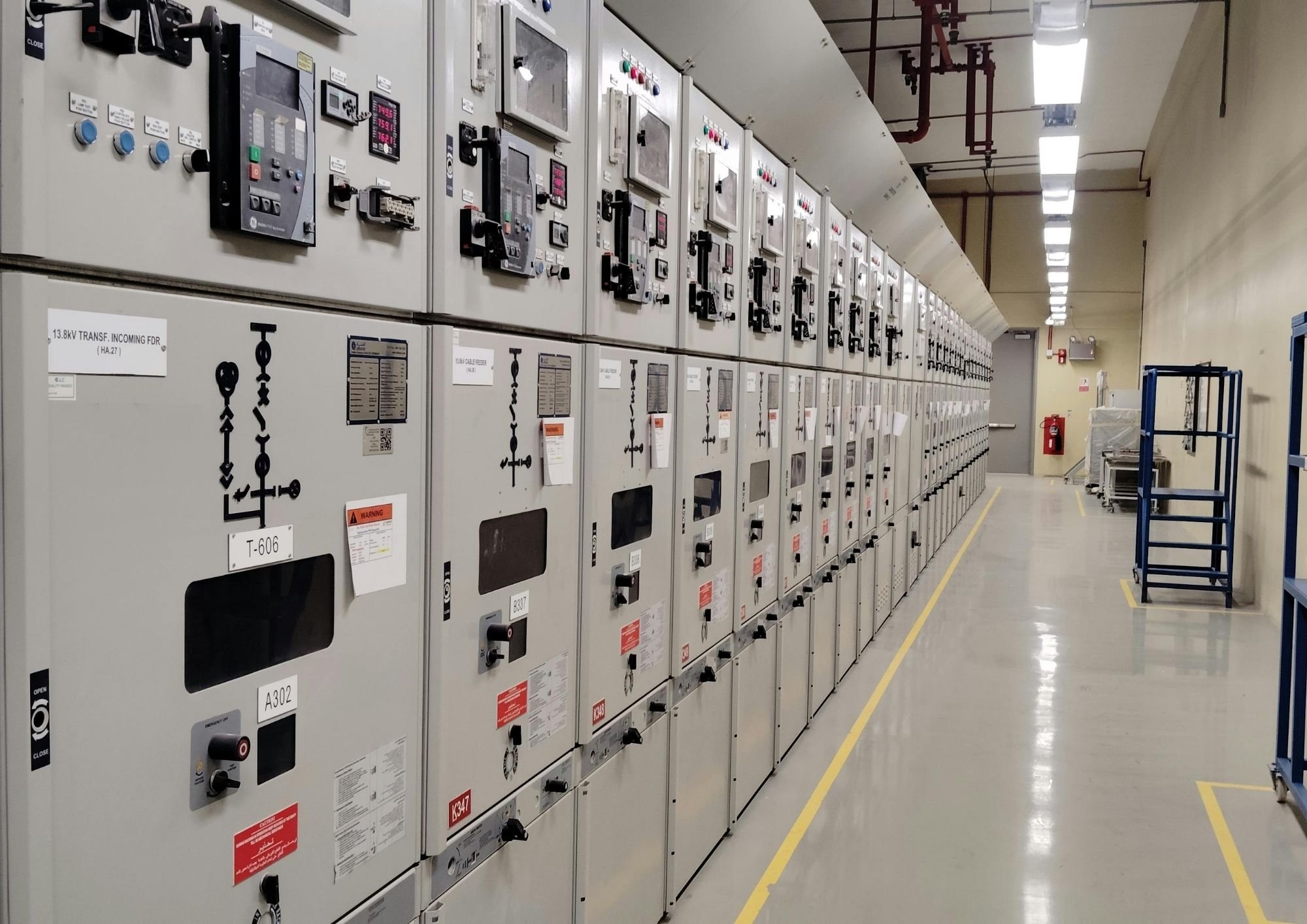
Following completion:
The HV infrastructure was transferred
The site was reconfigured to LV
Network complexity was reduced·

HV to LV Infrastructure Review
Client concerns
1. Why would another company pay us £150,000?
This is not a goodwill payment - it is a commercial infrastructure transaction.
The high-voltage equipment on your site forms part of the electricity network.
By transferring ownership, that infrastructure becomes part of the acquiring party’s regulated asset base.
Over time, regulated assets generate a controlled return through network charges recovered across the electricity system.
In simple terms:
They are investing in infrastructure that produces long-term regulated income.
The payment reflects the long-term value of that asset.
2. What’s the catch?
There is no hidden catch.
The transaction is completed through formal contracts and network approvals.
The works are subject to technical validation and survey.
For your business, the outcome is:
A capital injection
Reduced network and third-party charges
Infrastructure aligned with actual operational demand
Reduced long-term complexity
3. What happens to our electricity contract?
Once the supply is converted to low voltage:
The existing HV meter will be de-energised
A new MPAN (supply number) will be issued
A new LV meter will be installed
A new electricity contract will be arranged
Your business continues to operate as normal and continues paying monthly electricity bills.
However, you should see an immediate reduction in third-party network- related charges.
4. What are the long-term implications?
Long term, the site will be operating on infrastructure aligned with its actual usage profile.
This means:
Lower ongoing fixed network costs
Removal of excess capacity exposure
Simplified electrical configuration
Reduced infrastructure risk
In short, the site is right sized for how the business operates today.
The Financial Outcome
Upfront position:
Adoption value: £150,000
Reconfiguration works: (£50,000)
Our Fees
Net capital position: Positive
Ongoing impact:
Removal of excess capacity penalties
Reduced fixed network charges
Simplified supply structure
Lower operational risk
Estimated ongoing annual saving: approximately £8,000–£10,000 per annum, subject to usage.